


A Successful Hospital Stay
by David M.
I became ill with double pneumonia in March 2022, and was hospitalized in the Washington, D.C. area for five days at one of the leading hospitals. As a person with Type 1 diabetes (T1D) for over fifty years, I was concerned about my care in the hospital. At the time, I was using the Tandem Tx2 insulin pump along with the Dexcom G6 continuous glucose monitor (CGM).
The hospital endocrinologist and nurses spoke with me so that they could be assured that I was very knowledgeable about T1D and my care with the devices I had. I told them my HbA1C levels regularly ran about 6.0. This reassured them that the pump basal settings and I would keep my glucose levels within or close to the pump’s target range of 75 to 180.
They did not speak to my endocrinologist because they were comfortable that I could manage my diabetes with the approval of the nursing staff. In contrast to the experience of many with T1D who are hospitalized, I was given permission to manage my own T1D care with the oversight of hospital personnel. I was asked to sign a release form that I was assuming legal responsibility for my T1D care.
At the time, we did not discuss what we would do if I needed to treat a low or high blood sugar reading, though I had glucose tablets by my bedside table. If I had had a low glucose reading, I would have taken four glucose tablets of 16 grams of carbohydrates and told a nurse or nurse’s aide. If I had a high glucose level as shown on my pump from a
reading from my CGM, I would have used the insulin pump to calculate a correction bolus and spoken to the nursing staff before I delivered the correction. To my recollection, I did not need to correct during my stay.
Before meals, I was able to deliver boluses with the approval of the nursing staff. I calculated my boluses with my pump once I set the carbohydrate amount. I was required to receive permission for each bolus I programmed into my insulin pump based on the amount of carbohydrates I was going to eat. Luckily, the hospital menu had calculated the number of carbohydrates for each meal selection. Because I could not know when a meal would be delivered – I ordered three meals a day – I waited to bolus until the meal came to my room.
They performed periodic finger pricks to check my blood sugar levels. I was frequently checking my own blood sugar from my CGM on my pump. I was not using the G6 receiver. I was able to change my infusion sites and load my pump with Humalog insulin using supplies my wife brought to me from home.
(Note: For a T1D on a pump, the treatment “plan” is built into the pump settings. My state has no law that lets a T1D control her or his care in a hospital.)
Recent Stories
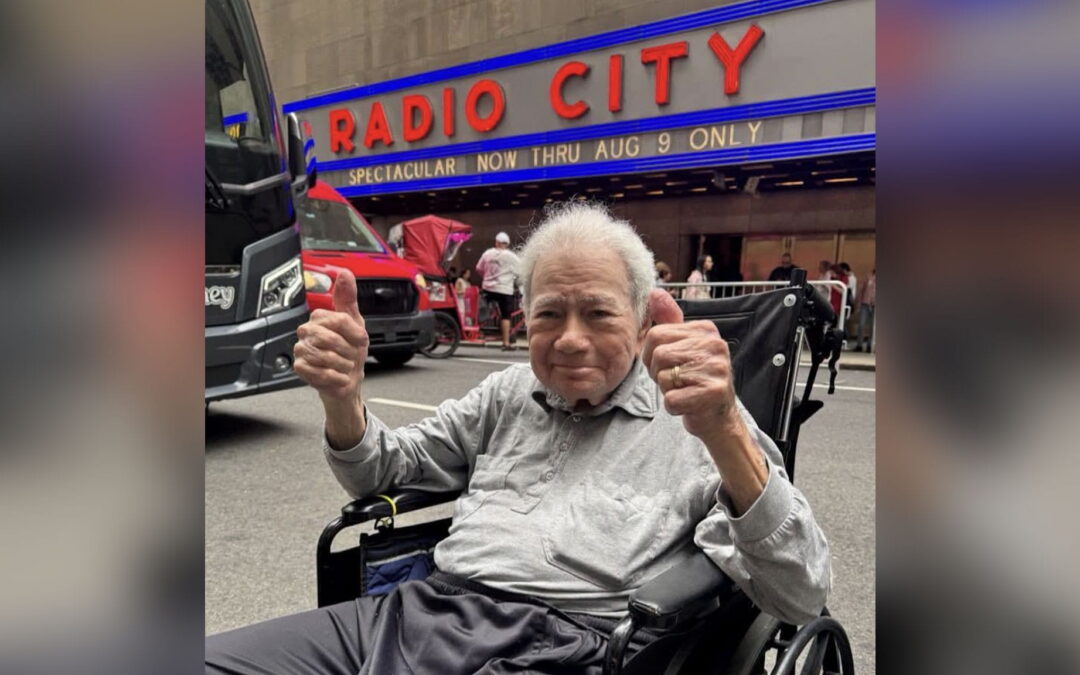
81 Years Living with Type 1 Diabetes. How Does Yudi Rubin Do It?
Julian Rubin, or “Yudi” to his friends, is the first interview in T1D to 100’s Living Legends project. Yudi is a self-proclaimed “cowboy,” who knows his mind and often presses clinicians so that his treatments respect his gut feelings. In this interview, he talks to riva greenberg about many aspects of his life with T1D.

Choosing Your 2027 Medicare Plan: An Open Enrollment Guide for People with Type 1 Diabetes
We have created this guide on how to choose your 2027 medicare plan including important dates, commons mistakes, and a checklist of things to do. There are also special insights on what you need to keep in mind, programs that could be helpful, and changes from the previous year. Read the full article for everything you need to know!
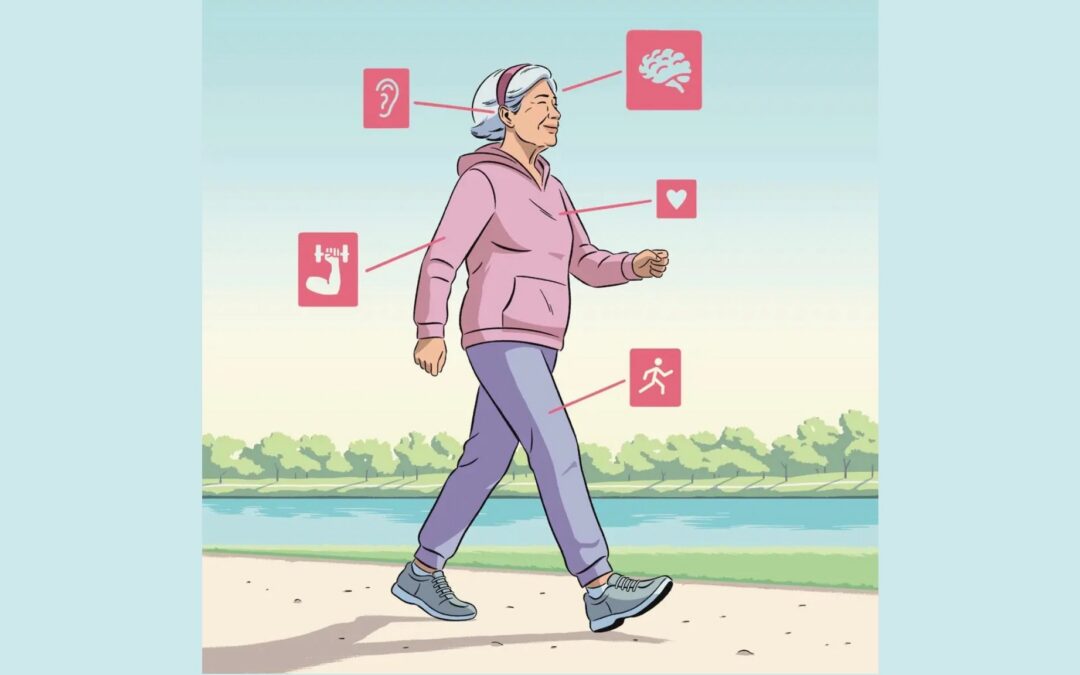
Intrinsic Capacity: The Most Important Longevity Term You’ve Probably Never Heard Of
Intrinsic Capacity is a new term experts are hoping to use to determine a person’s overall health in an effort to implement interventions for a longer, healthier, and happier life. Intrinsic Capacity is measured in five different key areas including cognition, locomotion, sensory capacity, psychological well-being, and vitality. Several studies are being implemented across the US to learn more on how to improve the accuracy of this metric and use it, eventually, for all ages.
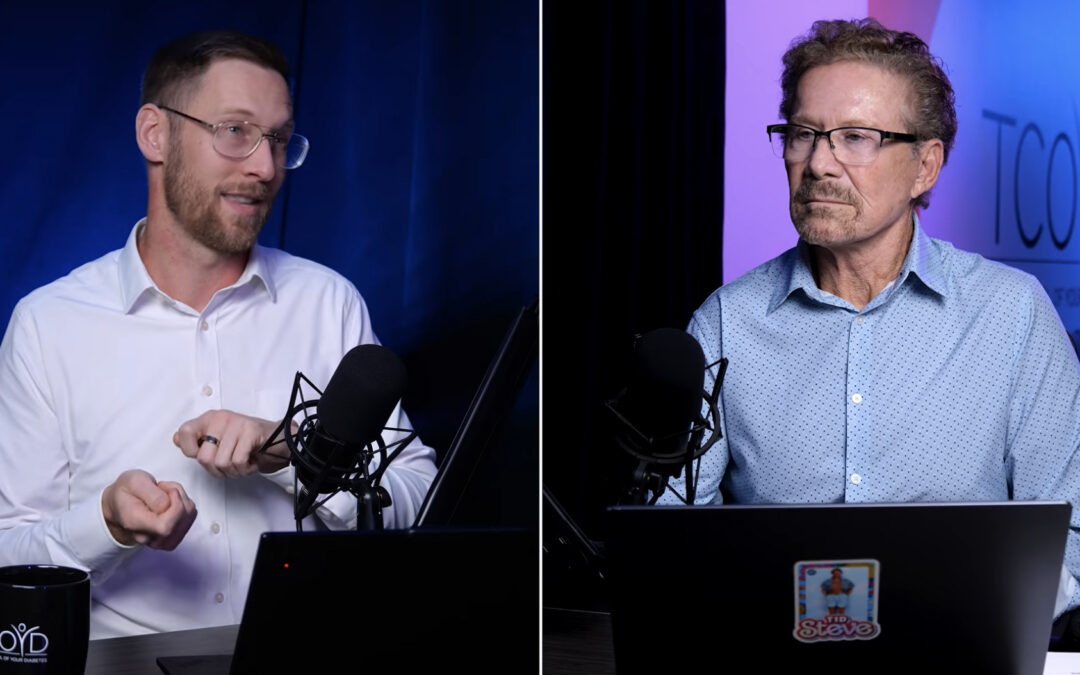
LADA: Why So Many Adults Are Misdiagnosed With Type 2 Diabetes
A YouTube discussion from Taking Care of Your Diabetes (TCOYD) on why 4 in 10 people who are diagnosed with Latent Autoimmune Diabetes in Adults (LADA) are told they have Type 2 Diabetes first and the impact of this misdiagnosis on their health and progress.

Interview – An Endo’s View: From the Other Side of the Examination Table
I conducted the interview below with my own endocrinologist Dr. David Lam. Our first visit lasted 90 minutes. We talked about diabetes only the last half hour. Lam is smart, tech savvy and responsive. As you might have guessed he is also compassionate, prizes partnership, and sees me as a person, not merely a condition. My husband was impressed when Dr. Lam stayed in text-touch with me, switching me from Lantus to Tresiba, over a weekend. I wanted to understand how he sees our challenges aging with type 1 diabetes and the ones he faces every day working within our industrialized health care system. He didn’t hesitate when I asked for this interview, so here’s an endocrinologist’s view from the other side of the examination table.
0 Comments