


Diabuddy Circle Companion Guide
A simple way to connect, support, and thrive with Type 1 diabetes—together.
Aging with Type 1 diabetes brings unique challenges—but also the chance to build stronger connections with others who truly get it. A Diabuddy Circle is a small group (or even just a pair) of people with Type 1 Diabetes (T1D) who support one another with encouragement, shared wisdom, and backup when it’s needed most.
This guide will help you create and nurture a circle that works for you.
Step 1: Find Your People
Start by identifying others who are living with T1D and may want a connection:
- Local diabetes or senior support groups
- Online forums and Facebook groups for aging with T1D
- Friends of friends—ask around!
- Community bulletin boards (senior centers, libraries, diabetes clinics)
Tip: You don’t need a crowd. Just one or two trusted people can make a big difference.
Step 2: Start the Conversation
Not sure what to say? Try this:
“Hi, I’m looking to connect with others living with Type 1 diabetes as we age. Would you be open to chatting, sharing experiences, or even checking in on each other from time to time?”
You can meet over coffee, schedule a video chat, talk on the phone, or message online. The key is finding what feels comfortable for everyone.
Step 3: Create a Rhythm
Set a simple structure to help your diabuddy relationship grow:
- Check-ins: Weekly text? Monthly lunch? It’s up to you.
- Topics to share:
- Latest tech that’s working (or not)
- How you manage lows/highs
- Tips for doctor visits, Medicare, or travel
- Coping with burnout or fear of complications
- Just-for-fun things—books, shows, hobbies
Optional idea: Rotate being the “support buddy” each week, where one person gets to vent or share, and the other just listens.
Step 4: Create a Simple Diabuddy Circle Sheet
You can use a notebook, shared Google Doc, or even a printed handout to track:
- Everyone’s names, pronouns, and preferred contact method
- Emergency contact info (optional)
- Allergies or relevant medical info (optional and confidential)
- Personal preferences (e.g., “text me, don’t call”)
Step 5: Use Conversation Starters
To keep things flowing, you can rotate who asks the “question of the month” like:
- What’s one thing that helped you manage diabetes this month?
- What’s been frustrating or funny about your diabetes lately?
- How do you handle lows when you’re out alone?
✅ Tip: Humor is welcome. Honesty is powerful. No advice-giving unless asked.
Step 6: Be Each Other’s Advocate
Sometimes we all need a little help:
- Be listed as an emergency contact
- Attend a healthcare appointment as a second set of ears
- Help write out a low-blood-sugar emergency plan
- Offer reminders or encouragement when diabetes feels overwhelming
Even just knowing someone will show up for you can bring peace of mind.
Step 7: Keep It Light, Keep It Real
A diabuddy circle isn’t about perfection—it’s about connection. Share a laugh, vent safely, and lift each other up. Don’t be afraid to say:
- “I don’t know either.”
- “I needed that today.”
- “Let’s figure this out together.”
Final Thought
You’ve made it this far. You’re not alone—and you shouldn’t have to figure everything out on your own, either. A diabuddy circle is one more tool for aging with strength, safety, and heart.
Let’s look out for each other. We’ve earned it.
Recent Stories
81 Years Living with Type 1 Diabetes. How Does Yudi Rubin Do It?
Julian Rubin, or “Yudi” to his friends, is the first interview in T1D to 100’s Living Legends project. Yudi is a self-proclaimed “cowboy,” who knows his mind and often presses clinicians so that his treatments respect his gut feelings. In this interview, he talks to riva greenberg about many aspects of his life with T1D.

Choosing Your 2027 Medicare Plan: An Open Enrollment Guide for People with Type 1 Diabetes
We have created this guide on how to choose your 2027 medicare plan including important dates, commons mistakes, and a checklist of things to do. There are also special insights on what you need to keep in mind, programs that could be helpful, and changes from the previous year. Read the full article for everything you need to know!
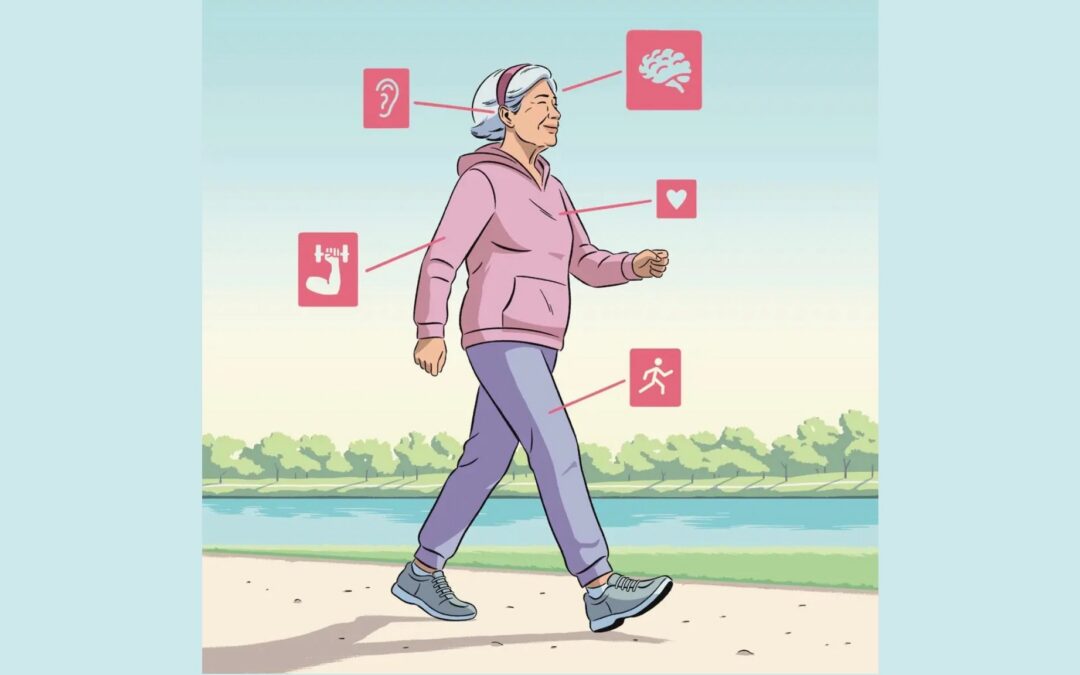
Intrinsic Capacity: The Most Important Longevity Term You’ve Probably Never Heard Of
Intrinsic Capacity is a new term experts are hoping to use to determine a person’s overall health in an effort to implement interventions for a longer, healthier, and happier life. Intrinsic Capacity is measured in five different key areas including cognition, locomotion, sensory capacity, psychological well-being, and vitality. Several studies are being implemented across the US to learn more on how to improve the accuracy of this metric and use it, eventually, for all ages.